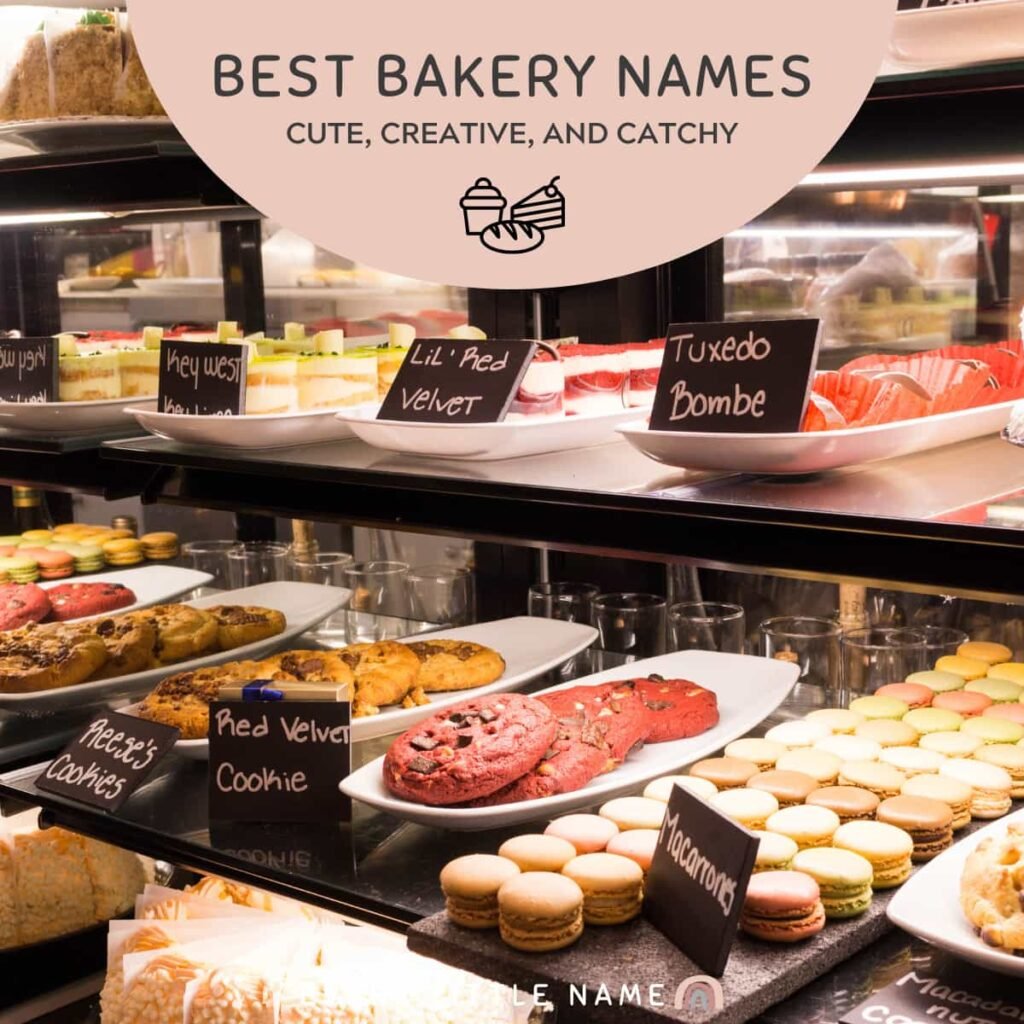
The aroma of warm sugar and yeasty dough isn't just a sensory experience; it's a promise, a memory, and for your bakery, it starts long before the first oven timer dings. It begins with a name. Choosing the right one—the perfect blend of Types & Styles of Bakery Names—is an foundational step in building a brand that resonates, attracts, and stands out in a deliciously competitive market. Your bakery's name isn't merely a label; it's your brand's first impression, a whisper of what delights await inside, and a critical component of your marketing and identity.
It’s a big decision, but with a strategic approach, it can be a delightful one. Let's explore how to bake up a brand name that’s as unforgettable as your signature croissant.
At a Glance: Crafting Your Bakery's Perfect Name
- Your name is your brand: It communicates your bakery's essence and sets expectations.
- Explore diverse styles: From elegant French to whimsical modern, there's a type for every niche.
- Follow a clear process: Research, brainstorm, customize, and most importantly, check for availability and protect your choice.
- Beyond the name: Understand the business fundamentals, like profitability and licensing, to build a truly sustainable sweet empire.
The First Bite: Why Your Bakery Name Matters More Than You Think
Imagine walking down a bustling street, craving something sweet. You spot two bakeries: one called "The Daily Crumb" and another simply "Bakery Shop #3." Which one piques your interest? The Daily Crumb, right? It promises freshness, evokes a sense of artisanal care, and hints at a curated experience. This simple example underscores the profound impact a name has.
Your bakery's name is a potent marketing tool, a silent ambassador that works tirelessly to:
- Define Your Brand Identity: Does it speak of tradition, innovation, whimsy, or health-consciousness?
- Create a Memorable First Impression: It's often the first interaction a customer has with your business.
- Stand Out in a Crowded Market: A unique, well-chosen name cuts through the noise.
- Communicate Your Niche and Offering: Is it a patisserie, a cookie shop, or a gluten-free haven?
- Build Trust and Loyalty: A professional and appealing name suggests a professional and appealing business.
Don't underestimate this initial choice; it's an investment in your brand's future, laying the groundwork for everything from your logo to your social media presence.
Decoding the Sweet Spot: Popular Types & Styles of Bakery Names
The vast universe of bakery names offers a tempting array of styles, each suited to a different vision and market. Understanding these types can help you identify where your own sweet dream fits in.
The Artisan & Modern Craft
These names often feature simple, evocative words that suggest quality, handmade products, and a focus on core ingredients. They appeal to customers who appreciate authenticity, craftsmanship, and a contemporary aesthetic. Think rustic charm meets modern elegance.
- Characteristics: Often incorporates words like "Flour," "Grain," "Crumb," "Oven," "Stone," "Knead."
- Examples: Flour & Stone, The Daily Crumb, Grain & Hearth, Wild Flour Bakery, The Kneading Place.
- Who it's for: Bakeries specializing in sourdough, artisanal breads, viennoiserie, or high-quality pastries with a clean, minimalist brand.
Creative & Whimsical Studios
If your bakery is all about imagination, custom creations, and a joyful experience, a whimsical or creative name might be the perfect fit. These names often use playful language, alliteration, or imaginative concepts to convey a sense of fun and artistry.
- Characteristics: Playful, imaginative, uses alliteration or charming imagery.
- Examples: The Whisking Wonderland, Sugar Rush Studio, Doughlightful Delights, Sprinkles & Swirls, The Muffin Man's Magic.
- Who it's for: Custom cake designers, cupcake shops, creative cookie artists, or bakeries with a strong emphasis on celebratory items and vibrant designs.
Elegant French & European Patisseries
For bakeries aiming for sophistication, tradition, and a touch of continental class, French or European-inspired names are a timeless choice. These names often evoke classic techniques, rich flavors, and a refined atmosphere, tapping into the historical prestige of European baking.
- Characteristics: French, Italian, or other European words; emphasizes elegance, tradition, and quality.
- Examples: Belle Fleur Pâtisserie, Le Petit Croissant, Amour Doux, Dolce Vita Bakeshop, Maison de Pain.
- Who it's for: Patisseries specializing in classic French pastries, Italian dolci, or other European baked goods, appealing to an upscale or discerning clientele.
Health-Conscious & Specialty Brands
The demand for dietary-specific and health-conscious baked goods is booming. Names in this category clearly communicate their niche, whether it's gluten-free, vegan, organic, keto, or allergen-friendly. Clarity and honesty are key here.
- Characteristics: Explicitly states dietary focus or healthy ingredients; often uses words like "Pure," "Grain," "Green," "Nourish," "Seed."
- Examples: Pure Grain Bakes, The Gluten-Free Goodie Co., Earth & Oven, Vegan Vibes Bakery, The Seeded Loaf.
- Who it's for: Bakeries catering to specific dietary restrictions, health-focused consumers, or those prioritizing organic and natural ingredients.
Classic, Traditional, & Hometown Favorites
These names lean into nostalgia, comfort, and a sense of community. They often evoke images of home baking, grandmother's kitchen, or local landmarks, fostering a feeling of warmth, familiarity, and trust.
- Characteristics: Nostalgic, comforting, often references family, home, or local geography.
- Examples: Grandma's Oven, Main Street Bakery, The Corner Crumb, Hearthside Bakeshop, Village Bakehouse.
- Who it's for: Neighborhood bakeries, those focused on classic comfort foods, or establishments aiming to be a community staple.
Evocative & Sensory Names
Some names don't describe what you bake, but how it makes you feel or taste. These names aim to evoke emotions, desires, and sensory experiences, creating an irresistible allure. They often use adjectives or verbs that suggest deliciousness and pleasure.
- Characteristics: Focuses on feelings, tastes, or experiences; uses words like "Sweet," "Savor," "Bliss," "Golden," "Dream."
- Examples: Sweet Serenity, The Savor Spot, Golden Hour Bakes, Blissful Bites, Dreamy Desserts.
- Who it's for: Bakeries wanting to create a strong emotional connection with their customers, emphasizing indulgence and enjoyment.
Playful & Clever Puns
A dash of humor can make a name instantly memorable and endearing. Punny names often play on baking terms or common phrases, showcasing a witty and approachable brand personality.
- Characteristics: Uses puns related to baking, dough, or sweet treats; often witty and lighthearted.
- Examples: Crumbs Up, Knead More Dough, The Upper Crust, A Little Slice of Heaven, Just Desserts.
- Who it's for: Bakeries with a fun, quirky brand, aiming to appeal to a broad audience with a memorable, smile-inducing name.
Personal & Locality-Driven
Integrating the founder's name, a family name, or a specific geographical location can imbue a bakery with a sense of personal history, local pride, and authenticity. This style builds an immediate connection to its roots.
- Characteristics: Incorporates a personal name (founder, family) or a geographical reference (city, street, region).
- Examples: Miller's Bakeshop, Brooklyn Crumb Collective, The Willow Tree Bakery, Elm Street Sweet Treats, Anna's Artisanal Bakes.
- Who it's for: Businesses wanting to emphasize their personal touch, local roots, or connection to a specific community.
Baking Up a Name: Your Step-by-Step Guide
Naming your bakery isn't a single "aha!" moment; it's a process of exploration, refinement, and due diligence. Follow these steps to ensure your chosen name is not only delicious but also strategically sound.
Step 1: Research, Brainstorm, and Stir the Pot
Before you even think about specific names, you need to understand your core identity and target audience. What kind of bakery are you? What do you want people to feel when they hear your name?
- Define Your Niche: Are you a dessert shop, a bread bakery, a cake studio, or a specialty outlet? The clearer your niche, the easier it is to pinpoint relevant keywords.
- List Keyword Categories:
- Niche-specific: "dessert shop," "cake studio," "bread house," "cookie bar."
- Baking terms: "baker's dozen," "caramel," "whisk," "dough," "flour," "oven," "rise," "proof," "crumb," "crust."
- Adjectives/Emotions: "sweet," "golden," "bliss," "cozy," "artisan," "fresh," "indulge," "savor," "delight."
- Ingredients: "honey," "spice," "butter," "vanilla," "chocolate."
- Location/Regional: Your city, street, or a local landmark.
- Brainstorming Techniques: Use mind maps, sticky notes, or free association. Don't self-censor at this stage; jot down every idea, no matter how wild. Think about the mood and overall customer experience you want to create.
Step 2: Leverage a Name Generator (and then Customize!)
Name generators can be fantastic tools to jumpstart your creativity, especially when you feel stuck. Input your brainstormed keywords and see what sparks. They can provide fresh combinations or ideas you hadn't considered.
Once you have a list of generator suggestions, the real work begins: personalization. Take those generic ideas and add your unique touch. This could involve incorporating your own name, a beloved nickname, your city, or a regional nuance that speaks to your local identity. For instance, if a generator suggests "Sweet Delights," you might refine it to "Elm Street Sweet Delights" or "Nana's Sweet Delights" to make it unique and personal. Don't be afraid to experiment with our bakery name generator to find that perfect starting point.
Step 3: Check for Availability & Trademark Clarity
This step is non-negotiable and crucial for avoiding future legal headaches. A fantastic name is useless if someone else already owns it or if it's too similar to an existing brand.
- State Business Registry: Check your state's Secretary of State website for registered LLCs, corporations, and business names. This ensures your chosen name isn't already in use by another registered entity in your state.
- USPTO Search: The United States Patent and Trademark Office (USPTO) database is where you search for federal trademarks. A federal trademark offers the strongest protection, covering your name nationwide. Even if you don't plan to trademark federally right away, knowing if a similar name exists can inform your decision.
- State Trademark Registry: Many states also have their own trademark registries, which offer protection within state borders.
- Domain Name & Social Media Handles: Perform thorough internet searches. Check if the exact domain name (.com is usually preferred) is available. Also, check for availability on popular social media platforms like Instagram, Facebook, and TikTok. Consistency across these platforms is vital for modern branding.
- "Doing Business As" (DBA) Names: Understand the difference between a legal entity name and a "doing business as" name. You might register your LLC as "Sweet Treats LLC" but operate under the DBA "Grandma's Oven."
Step 4: Gather Feedback (The Taste Test)
Once you've narrowed down your list to a few strong contenders, it's time to get external opinions. Share your top choices with a diverse group: friends, family, and critically, potential customers.
- Ask for Impressions: What immediate thoughts or feelings does the name evoke?
- Check for Clarity: Is it easy to understand, pronounce, and spell?
- Unintended Connotations: Does it accidentally imply something negative, confusing, or simply not aligned with your brand? Sometimes, what sounds great to you might have a different meaning to others.
- Memorability: Is it easy to recall after a short time?
This feedback loop is invaluable for catching issues before they become public.
Step 5: Protect Your Sweet Identity
Once you've chosen a name you love and confirmed its availability, take steps to protect it. This safeguards your brand and prevents others from capitalizing on your hard-earned reputation.
- Name Reservation (Temporary): In most states, you can file a name reservation with the Secretary of State. This temporarily holds the name for you (typically around 120 days) while you finalize other business registrations.
- Business Registration (More Permanent): Registering your business as an LLC or corporation by filing Articles of Organization/Incorporation automatically registers your legal entity name in your state. This provides robust protection within state lines.
- State Trademark: Filing a state trademark is generally easier and less expensive than a federal one, providing protection for your name within your state's borders. It's a good intermediate step if federal trademarking feels too daunting initially.
- Federal Trademark (The Strongest Protection): Applying for a federal trademark through the USPTO offers the strongest, nationwide protection for your bakery's name. This process can be complex, lengthy, and expensive, often requiring the guidance of a trademark attorney. However, if you plan for significant growth, franchising, or interstate commerce, it's a wise investment.
Step 6: Find Inspiration and Forge Uniqueness
As you refine your name, keep an eye on what works for others and how you can make your mark.
- Study Successful Businesses: What makes the names of famous or locally successful bakeries effective? Is it their simplicity, their evocative nature, or their cleverness? Don't copy, but learn from their success.
- Combine Elements: The most unique names often arise from blending different ideas. Can you combine your personality with a key ingredient? Your location with an emotional descriptor? For example, "Savor" and "Scrumptious" evoke powerful feelings that can be paired with other terms. Your name should be a reflection of you and your baked goods.
Beyond the Name: Understanding Your Bakery's Foundation
While a fantastic name is crucial, it's just one ingredient in a successful bakery. A true entrepreneur understands the broader landscape.
The Recipe for Profit: Bakery Business Fundamentals
Operating a bakery business is more than just baking; it's about smart business practices. Fortunately, it's often a resilient venture.
- Recession-Resistant: Bakeries generally perform well even during economic downturns. The demand for comfort food, daily staples like bread, and celebratory treats remains strong and consistent year-round. Baked goods are often seen as affordable luxuries.
- Potential for High Margins: Compared to fresh meal preparation, baked goods often have lower ingredient costs per item. This can lead to higher profit margins, with the average bakery seeing 4-6% and top performers reaching 9-20%. The key to maximizing profitability is high turnover—regularly baking fresh products and selling them at full retail price before they go stale. Waste management is paramount.
Most bakery owners, especially those running a successful small to medium-sized operation, can expect to earn between $50,000 and $80,000 per year. Larger, highly successful operations with significant sales volume, efficient pricing, and tightly controlled overhead can push earnings over $135,000, while smaller, less efficient ventures might see as low as $25,500. It all hinges on shrewd management.
Pricing Your Baked Goods for Success
Your prices need to do more than just cover the cost of flour and sugar. They must cover all your costs—ingredients, labor, rent, utilities, marketing, and more—and still leave room for a profit.
The standard formula for calculating your Cost of Goods Sold (COGS) per item is:
Cost per serving (ingredients) + Labor cost per item + Variable overhead per item = COGS
- Ingredient Costs: Use precise measurements and resources like the "Book of Yields" to accurately calculate the cost of ingredients per portion.
- Labor Costs: Estimate the time it takes to produce one batch, divide by the number of items, and multiply by your hourly wage (including taxes and benefits).
- Variable Overhead: This includes things like packaging, labels, and utilities directly tied to production volume.
A common industry guideline is to aim for a food cost percentage (cost of ingredients as a percentage of the selling price) of 20-35%. For example, if it costs you $12 to make a dozen cupcakes (meaning $1 per cupcake) and you're targeting a 20% food cost, your selling price per cupcake would be $5 ($1 / 0.20 = $5). This ensures you're building in profit margin from the start.
Essential Licenses and Permits for Bakers
The specific licenses and permits you'll need will vary significantly based on your bakery type (wholesale, retail, mail-order, online, home-based) as well as your city, county, and state regulations. Don't skip this research; non-compliance can lead to hefty fines or business closure.
Common licenses and permits often include:
- Business License: Required by your city or county to operate legally.
- Sales Tax Permit (Seller's Permit): If you're selling retail goods, you'll need to collect and remit sales tax.
- Retail Resale Permit: If you buy ingredients wholesale for resale.
- Food Handler's Permit: Required for anyone handling food.
- Catering License: If you plan to offer catering services.
- Kitchen Health and Safety Inspection: Your commercial kitchen will need to pass health department inspections. Home-based bakeries often have specific "cottage food laws" that may exempt them from commercial kitchen requirements but still have rules.
- Zoning Laws and Permits: Ensure your chosen location is zoned for commercial food preparation and retail sales.
- Homeowners Association (HOA) Regulations: If operating from home, check if your HOA has restrictions on home businesses.
- Fire Department Permit: Often required for commercial kitchens due to equipment like ovens and deep fryers.
Always check with your local Chamber of Commerce, Small Business Administration (SBA) office, and relevant state agencies for the most accurate and up-to-date requirements in your area.
Common Pitfalls to Sidestep When Naming Your Bakery
Even with the best intentions, it's easy to stumble into naming traps. Be mindful of these common missteps:
- Too Generic or Forgettable: Names like "City Bakery" or "Best Baked Goods" offer no personality and are hard to recall. Strive for distinctiveness.
- Hard to Spell or Pronounce: If customers struggle to say or type your name, they'll struggle to find you or recommend you. Keep it simple and intuitive.
- Doesn't Reflect Your Brand: A "Whimsical Wonderland" name for a serious artisan sourdough bakery will create confusion, not charm. Ensure your name aligns with your products and brand ethos.
- Too Trendy (Dates Quickly): What's cool today might be passé tomorrow. Avoid overly trendy slang or concepts that will make your name feel old-fashioned in a few years. Aim for timeless appeal.
- Legal Issues (Already Taken): As emphasized earlier, failing to check for availability can lead to costly rebranding, legal battles, or even losing your business.
Your Bakery Name: A Cornerstone of Your Brand's Legacy
The journey of naming your bakery is a creative and strategic one. It's a chance to distill your passion, vision, and unique flavor into a few memorable words. By carefully exploring the various Types & Styles of Bakery Names, following a diligent naming process, and grounding your decisions in a solid understanding of business fundamentals, you’re not just picking a name—you’re laying the cornerstone of your brand's legacy.
Choose a name that you love, one that sparks joy, and most importantly, one that invites every customer to take that delightful first bite. With thoughtful consideration, your bakery's name will become as cherished and irresistible as the treats you lovingly craft. Now go forth and create something truly sweet!